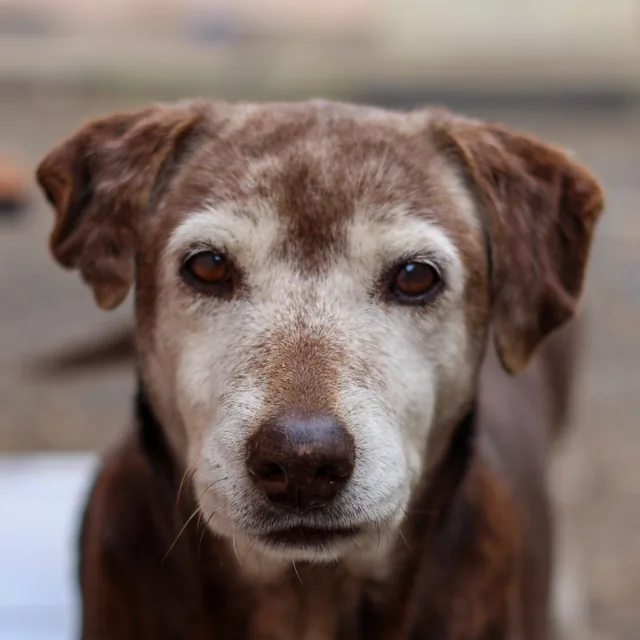
Carprofen is a non-steroidal anti-inflammatory drug (NSAID) prescribed for dogs, most often to relieve the pain and inflammation of osteoarthritis and to control pain after surgery. It is the generic drug name; Rimadyl was the original brand, and FDA-approved generics include Novox, Vetprofen, Carprovet and Carprieve. Tablets come in 25 mg, 75 mg and 100 mg strengths, the labeled dose is 2 mg per pound of body weight per day, and it requires a veterinary prescription in the United States. It is approved for dogs only — not cats, and not people.
Explore Topics
Carprofen for Dogs
What it treats, how it works, and what to expect from your vet.
Dosage Chart
Typical published dosage ranges by dog weight — for reference only.
Carprofen vs Rimadyl
Brand name vs. generic: what's actually different (and what isn't).
Generic Alternatives
Novox, Vetprofen, Carprovet, Carprieve and more, compared.
Rimadyl for Dogs
The original branded carprofen — history, dosing, and cost.
Where to Buy
Compare pharmacy, vet-clinic, and online prices before you fill a prescription.
Carprofen at a Glance
| What it is | A veterinary NSAID of the propionic acid class |
|---|---|
| Approved for | Dogs. Not approved for cats; not for human use |
| Treats | Osteoarthritis pain and inflammation; post-surgical pain; soft-tissue injury pain |
| Brand names | Rimadyl, Novox, Vetprofen, Carprovet, Carprieve, Rovera, OstiFen, Quellin, TruProfen |
| Forms | Flavored chewable tablets and caplets; an injectable given in-clinic |
| Strengths | 25 mg, 75 mg, 100 mg |
| Typical dose | 2 mg per lb per day — once daily, or split twice daily. See the chart |
| Onset | Pain relief commonly reported within 1–3 hours |
| Prescription | Required. Never legitimately sold over the counter |
| Main risks | Stomach upset and ulcers, and less commonly liver or kidney effects. Full side effects guide |
What Is Carprofen?
Carprofen is a non-steroidal anti-inflammatory drug formulated specifically for veterinary use. When a joint is arthritic or tissue is injured, the body produces prostaglandins — signalling chemicals that drive pain, swelling and heat. Carprofen blocks the cyclooxygenase (COX) enzymes that make them, so the inflammation settles and the dog becomes more comfortable. It is in the same broad drug family as ibuprofen and naproxen, but that resemblance is exactly why human painkillers are dangerous for dogs: dogs process these drugs very differently. Never give a dog ibuprofen, naproxen or aspirin without veterinary direction.
The same mechanism explains the risks. Prostaglandins also protect the stomach lining and help regulate kidney blood flow, so blocking them is never entirely without consequence — which is why vets screen for risk factors first and monitor bloodwork during long-term use.
Read the full explanation in our carprofen for dogs guide.
Carprofen Drug Facts
| Generic name | Carprofen (best-known brand: Rimadyl) |
|---|---|
| Drug class | NSAID; carbazole derivative of the propionic acid class |
| Chemical formula | C15H12ClNO2, molar mass about 273.7 g/mol |
| CAS number / ATCvet code | 53716-49-7 / QM01AE91 |
| Routes | By mouth (chewable tablet or caplet); subcutaneous injection given by a vet |
| Absorption | Rapid and over 90% bioavailable by mouth; blood levels peak in about 1–3 hours |
| Half-life in dogs | About 8 hours (range roughly 4.5–10 hours) |
| Protein binding | Over 99% |
| How it leaves the body | Broken down by the liver; about 70–80% leaves in feces and 10–20% in urine |
| Legal status | Prescription-only (U.S. and EU). FDA-approved for dogs only |
Carprofen is a COX-2-preferential NSAID: in a canine cell-culture study it blocked COX-2 (the enzyme behind inflammation) more than COX-1 (which protects the stomach and kidneys). The label notes the clinical significance of that selectivity has not been proven, so stomach and kidney effects remain possible.
From Human Drug to Dog-Only Medicine
Carprofen was used in people for close to a decade, from 1988, for joint pain and inflammation at doses of roughly 150–600 mg, and its side effects in people were usually mild (nausea, stomach pain, diarrhea). Pfizer later withdrew it from the human market for commercial reasons. It stayed in veterinary medicine, where it became one of the most widely used NSAIDs for dogs. Today it is not for human use; if a person swallows it by accident, call a doctor or the U.S. National Poison Control Center at 800-222-1222. See carprofen for humans.
Carprofen is also used off-label by vets in some other animals, such as horses and lab rodents, but the FDA label covers dogs only and warns against use in cats.
How Often Do Side Effects Happen?
- In the label's field studies, vomiting (4%), diarrhea (4%) and appetite change (3%) were reported, at similar rates in dogs given a placebo.
- Stomach upset is reported in under 2% of dogs, according to the Veterinary Information Network (VIN), but should always be taken seriously.
- An unpredictable liver reaction is rare, estimated by VIN at about 1 in 5,000 dogs. It is not dose-related and usually needs hospital care. Roughly a quarter of the liver reports on the FDA label involved Labrador Retrievers.
- Steroid combinations stand out: VIN notes that about 9% of all reported adverse reactions involved a corticosteroid given at the same time.
Most reactions appear in the first few weeks, which is why vets want early rechecks. Details are in our side effects guide.
Interactions and Washout Periods
| Medicine | Concern | Typical guidance |
|---|---|---|
| Other NSAIDs | Ulcers, kidney injury, bleeding | Never combined; about 5–7 days between NSAIDs |
| Corticosteroids (prednisone, dexamethasone) | Much higher ulcer risk | Avoid together; about 5–7 days between |
| Aspirin | GI bleeding, platelet effects | About 10–14 days before starting carprofen |
| ACE inhibitors (enalapril, benazepril) | May be less effective | Use only with monitoring |
| Phenobarbital | Added liver load | Closer liver monitoring, often every 6 months |
| Diuretics, cyclosporine, other kidney-stressing drugs | Kidney risk | Use cautiously with bloodwork |
Read more in medications that shouldn't be combined with carprofen.
Monitoring and Compounded Carprofen
Before long-term use, vets usually run an exam and baseline blood and urine tests, recheck liver and kidney values 2–4 weeks after starting, then repeat roughly every 3–6 months. See why vets monitor bloodwork.
If a dog cannot take the tablets, or a needed strength is not made, a vet may order compounded carprofen from a licensed pharmacy, such as custom capsules (including 50 mg) or an oral suspension. Compounded products are made for one patient and are not FDA-approved, so use them only on your vet's instruction. See carprofen 50 mg doses.
Carprofen Dosage Basics
Carprofen is dosed by body weight. For the full carprofen dose by weight, with charts in lbs and kg and worked examples, see the dosage guide. The labeled dose is 2 mg per pound per day, given either once daily or split into 1 mg per pound twice daily, roughly 12 hours apart. Because dosing is weight-based, an accurate current weight matters — a dog who has gained or lost several pounds may need a different tablet.
Everything on this site is educational. Your veterinarian accounts for your dog's weight, bloodwork, age, other medications and the condition being treated. Never start, change or stop a dose on your own.
Use the carprofen dosage chart and interactive calculator to understand the general scale, and see Rimadyl dosage if that is the brand you were prescribed. If a dose is missed, read what to do about a missed dose rather than doubling up. If your dog may have had too much, go straight to carprofen overdose signs and call your vet.
Side Effects: What to Watch For
Most dogs tolerate carprofen well, and many take it for years without trouble. When side effects do occur they usually involve the digestive tract, and less commonly the liver or kidneys.
Common and usually mild: reduced appetite, vomiting, soft stool or diarrhea, and lethargy. Giving the tablet with food helps some dogs.
- Repeated vomiting, or blood in vomit or stool
- Black or tarry stool
- Yellowing of the gums, eyes or skin
- A marked increase in drinking or urinating
- Stumbling, seizures, or a sudden change in behaviour
These can signal a gastrointestinal ulcer, liver injury or kidney problem — reasons to be seen, not to wait and watch. Our Rimadyl and carprofen side effects page goes symptom by symptom and explains how side effects are treated and how long they last. See also kidney and liver disease, drug interactions and why vets monitor bloodwork.
Brand Names: They Are All the Same Drug
One of the most common sources of confusion is the number of names. Rimadyl, Novox, Vetprofen, Carprovet, Carprieve, Rovera, OstiFen, Quellin and Truprofen are all carprofen. They are FDA-approved, bioequivalent, and differ mainly in manufacturer, inactive ingredients, flavouring and price — not in clinical effect. A pharmacy may dispense a different brand on a refill, which is why the tablets can look different while being the same medication.
| Brand | Maker or supplier | Form |
|---|---|---|
| Rimadyl | Zoetis (the original brand) | Flavored chewable tablets, caplets, injection |
| Novox | Norbrook | Non-chewable caplets |
| Vetprofen | Vetoquinol USA | Caplets and chewable tablets |
| Carprovet | Dechra | Beef-flavored chewable tablets and caplets |
| Carprieve | Norbrook | Liver-flavored chewable tablets (US and UK ranges differ) |
| Rovera | Zoetis, through veterinary clinics | Chewable tablets |
| TruProfen | TruRx | Flavored tablets |
Comparing names? Read carprofen vs Rimadyl, the full list of generic carprofen brands (including Levafen, OstiFen and Quellin), and what the tablets look like.
Who Should Not Take Carprofen
- Cats clear carprofen far more slowly than dogs and are much more vulnerable to kidney injury — see carprofen for cats.
- People. Carprofen was studied in humans decades ago and withdrawn — see carprofen for humans.
- Dogs with a previous NSAID reaction, active stomach ulcers, or a bleeding disorder.
- Dogs already on another NSAID or a steroid such as prednisone, unless a vet has planned the combination.
- Pregnant, nursing or very young dogs, where safety has not been established.
Dogs with managed kidney or liver disease are not automatically excluded, but they need closer assessment and monitoring.
Prescriptions, Cost & Buying Safely
Carprofen is prescription-only in the United States in every strength, form and brand. A seller offering it without a prescription is a warning sign about that seller, not a shortcut — the weight-based dosing and bloodwork monitoring are precisely why the requirement exists.
Once you have a written prescription you can price-shop: brand-name Rimadyl is usually the most expensive option, and FDA-approved generics are often substantially cheaper for the same drug.
Every Guide on This Site
A complete index of every page, so you can find what you need in one click.
Core guides
- Carprofen for Dogs: complete guide
- Carprofen Dosage Chart & Calculator
- Carprofen Side Effects in Dogs
- Carprofen Tablets, Chewables & Pill Identifier
- Carprofen for Cats
- Carprofen for Humans
Strengths
Brands & comparisons
- Rimadyl for Dogs
- Rimadyl Dosage for Dogs
- Carprofen vs Rimadyl
- Generic Alternatives Compared
- NSAIDs for Dogs Compared
- Novox for Dogs
- Vetprofen for Dogs
- Carprovet for Dogs
- Carprieve for Dogs
- Rovera for Dogs
- TruProfen for Dogs
Buying & access
All articles
- Carprofen and Rimadyl for Puppies: What Owners Should Know
- Carprofen Side Effects: Diarrhea, Vomiting and Panting
- How Long Does Carprofen Take to Work in Dogs?
- Carprofen vs Prednisone for Dogs: Key Differences
- Does Carprofen Make Dogs Sleepy?
- Carprofen and Gabapentin for Dogs: Can You Combine Them?
- Carprofen vs Ibuprofen: Never Give a Dog Ibuprofen
- 5 Signs Your Dog Needs Arthritis Pain Relief
- Is It Safe to Buy Pet Medication Online?
- Can a Dog Overdose on Carprofen? Signs & What to Do
- Carprofen for Dogs with Kidney or Liver Disease
- How Long Can a Dog Safely Stay on Carprofen?
- Missed a Carprofen Dose? Here's What to Do
- Carprofen Drug Interactions: Checker for 20+ Medicines
- Galliprant vs Carprofen: Safety, Strength & Switching
- Meloxicam vs Carprofen: Comparing Canine NSAIDs
- Carprofen for Senior Dogs: What Changes with Age
- How to Get a Picky Dog to Take Carprofen
- Carprofen Cost: Prices, Insurance & Ways to Save
- Carprofen Tablets vs Injection: What's the Difference
- Carprofen Shelf Life, Storage & Expired Tablets
- Carprofen Bloodwork: Why Vets Monitor Long-Term NSAIDs
- Carprofen Alternatives: Librela, Adequan & Natural Options
About this site
Frequently Asked Questions
What is carprofen?
Carprofen is a non-steroidal anti-inflammatory drug (NSAID) prescribed for dogs to relieve pain and inflammation, most commonly from osteoarthritis and after surgery. It is the generic drug name; Rimadyl is the best-known brand.
What is carprofen used for in dogs?
Mainly two things: long-term management of osteoarthritis pain, and short-course control of pain and inflammation after surgery. Vets also use it for soft-tissue injuries and sprains. Our guide to what carprofen is used for in dogs covers each use in detail.
Is carprofen the same as Rimadyl?
Yes. Rimadyl is a brand name for carprofen. Novox, Vetprofen, Carprovet, Carprieve and others are FDA-approved generics containing the same active ingredient.
How much carprofen can I give my dog?
The labeled dose is 2 mg per pound of body weight per day, but only your veterinarian can set your dog's actual dose. Use our dosage chart to understand the scale, not to dose your dog.
How long does carprofen take to work?
Pain relief is commonly reported within one to three hours of a dose. For arthritis, the fuller benefit is usually clearer after several days of consistent dosing.
What are the side effects of carprofen in dogs?
Most commonly reduced appetite, vomiting, diarrhea and lethargy. Less commonly it can cause stomach ulcers, or liver or kidney problems. Black or tarry stool, jaundice, repeated vomiting or increased drinking all warrant an immediate call to your vet.
Is carprofen available over the counter?
No. Carprofen is prescription-only in the United States under every brand name and in every strength.
Can cats take carprofen?
Carprofen is not approved for cats. Cats clear the drug much more slowly and are far more susceptible to kidney injury, so feline use is rare and strictly a veterinary decision.
Is carprofen an NSAID or an antibiotic?
It is an NSAID — a non-steroidal anti-inflammatory drug. It treats pain and inflammation and has no effect on infection.
Is carprofen an anti-inflammatory?
Yes. NSAID stands for non-steroidal anti-inflammatory drug. Carprofen reduces inflammation by blocking the enzymes (mainly COX-2) that make prostaglandins, and that is also how it relieves pain. It is not a steroid, so it must not be combined with prednisone or other steroids unless your vet plans it.
Is carprofen a blood thinner?
No. Carprofen is an NSAID, not an anticoagulant, and it is not prescribed to thin the blood. In healthy dogs at the label dose, studies have generally found no prolonged bleeding time and a weaker effect on platelets than aspirin, although some found reduced platelet clumping. Because NSAIDs can also cause stomach bleeding, tell your vet before surgery, and if your dog has a bleeding disorder or takes a blood thinner such as clopidogrel or warfarin.
Why do vets prescribe carprofen so often?
It is effective, well studied, dosed once or twice daily, and available as a flavored chewable most dogs take willingly — a practical combination for long-term arthritis management. See why vets prescribe carprofen.
Is carprofen the same as ibuprofen?
No. Both are NSAIDs, but carprofen is made and dosed for dogs, while ibuprofen is a human drug that can poison dogs even in small amounts. Never give a dog ibuprofen. See carprofen vs ibuprofen.
Does carprofen make dogs sleepy?
It does not usually cause sedation. A dog in less pain may simply rest more comfortably, but marked or worsening lethargy can be a side effect, so call your vet. See our guide on carprofen and sleepiness.
Can humans take carprofen?
No. Carprofen is no longer sold for people. If someone swallows a dog's carprofen, call a doctor or the National Poison Control Center at 800-222-1222.
What is compounded carprofen?
A custom version, such as capsules or a liquid, made by a pharmacy on a vet's prescription when the tablets are not suitable. It is not FDA-approved.
Sources & Further Reading
- FDA-approved labeling for carprofen products, via DailyMed (U.S. National Library of Medicine)
- Zoetis Rimadyl (carprofen) prescribing information and dosing chart
- Veterinary Information Network (VIN) Veterinary Partner — Carprofen (Rimadyl) drug monograph
- VCA Animal Hospitals — Carprofen pet health resource
- PetMD — Carprofen (Rimadyl) for dogs
- DrugBank — Carprofen (DB00821)
- Effect of carprofen on hemostatic variables in dogs (2001), PubMed ID 11592333
This page summarizes and explains publicly available veterinary drug information. It is not a substitute for the official prescribing information your vet or pharmacist provides with your specific prescription.
Why Trust carprofen.com
We're an independent information resource, not a pharmacy or veterinary clinic. Every drug and dosage page on this site is written for clarity, checked against FDA-approved product labeling and published veterinary references, and shows the date it was last updated. Read our full editorial policy to see how we source and review content, or get in touch.