Carprofen Tablets: Chewables, Caplets & Pill Identification
Carprofen comes as a flavored chewable tablet, an unflavored caplet, and an injectable solution given in the clinic. Tablets are made in 25 mg, 75 mg and 100 mg strengths, are usually orange or tan, round or oval, and are scored so a vet can prescribe a half tablet. This page explains the differences between the forms, what the markings on a carprofen tablet mean, and — importantly — how to confirm what a loose pill actually is without guessing.
Appearance and imprints are a starting point, not proof. Tablet colors and shapes are reused across manufacturers and across entirely different drugs, and they change when a manufacturer reformulates. If you have an unlabeled pill, confirm it with your veterinarian or a pharmacist before giving it to any animal. If a pet may have already eaten an unknown tablet, call your vet or an animal poison control line now rather than researching it.
Chewable Tablets vs Caplets
| Chewable tablet | Caplet | |
|---|---|---|
| Flavoring | Flavored, usually liver or similar; most dogs take it as a treat | Unflavored, film-coated |
| How it is given | By hand, like a treat | Usually hidden in food or given directly |
| Shape | Typically round | Typically oval/oblong |
| Scored for splitting | Yes, generally | Yes, generally |
| Same active drug? | Yes — identical carprofen at the same strength. The choice is about palatability, not potency. | |
| Main drawback | Palatable enough that a dog may eat a whole bottle if it gets access | Harder to give to a fussy dog |
That last row matters more than it sounds. The flavoring that makes chewables easy to give is also the single most common reason for accidental overdose — a dog who finds the bottle treats it as a bag of snacks. Store tablets in a closed cupboard the dog cannot reach, not on a counter. See carprofen overdose signs in dogs and safe storage and expiration.
If your dog refuses tablets in any form, our guide to giving carprofen to picky dogs covers what actually works. There is also an injectable form, but it is given by a vet — typically before surgery — not at home.
What Do Carprofen Pills Look Like?
Across the common brands, carprofen tablets tend to share a family resemblance: an orange, tan or light-brown tablet, round for most chewables and oval for most caplets, with a score line down the middle and a stamped imprint identifying the manufacturer and the strength. Because several companies make carprofen, there is no single appearance — a 100 mg Vetprofen tablet and a 100 mg Rimadyl chewable are the same drug and strength but do not look identical.
| Strength | Typical dog size | Strength guide |
|---|---|---|
| 25 mg | Small dogs, or fine-tuning a larger dog's daily total | Carprofen 25mg |
| 75 mg | Medium dogs | Carprofen 75mg |
| 100 mg | Medium-to-large dogs | Carprofen 100mg |
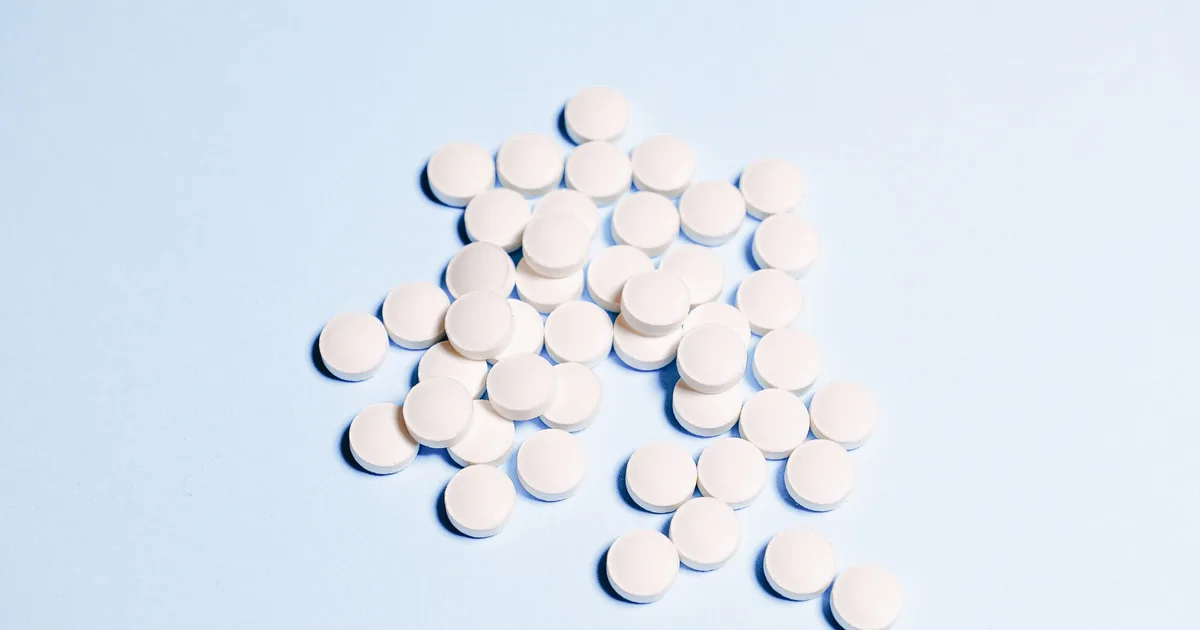
The "BP CAR" Imprint
One of the most-searched carprofen markings is BP CAR, often alongside a strength marking such as F25 MG, F75 MG or F100 MG. Published pill-identification references associate this imprint with carprofen tablets including Vetprofen (Vetoquinol) and TruProfen (TruRx), in orange round and oval tablets across the 25 mg, 75 mg and 100 mg strengths.
So if you are holding a tablet marked "BP CAR", you are most likely holding veterinary carprofen rather than a human medication. That is useful context, but it is not a substitute for confirmation: imprint codes are assigned by manufacturers and get reused and retired over time. Verify with the pharmacy that dispensed it, your vet, or the official product label.
- Check the label. The dispensing pharmacy label names the drug, strength and prescribing vet. This is the authoritative answer.
- Call the dispensing pharmacy or your vet and read them the imprint, color and shape. They can look up what they dispensed for your dog.
- Compare against the official label. DailyMed (U.S. National Library of Medicine) and Animal Drugs @ FDA publish manufacturer label information, including product descriptions, for each approved carprofen product.
- If a pet has eaten an unidentified pill, skip the research and call for help — your vet, an emergency clinic, or an animal poison control service.
Splitting and Handling Carprofen Tablets
Most carprofen tablets are scored, and vets do prescribe half tablets to land on the right dose for a dog's weight. Split only when your vet's instructions say to, use a pill splitter rather than your hands for an even break, and do not crush or dissolve a tablet unless your vet confirms it is appropriate for that product.
Wash your hands after handling tablets, and keep them away from children and from any cat in the household — cats are far more sensitive to carprofen than dogs. See carprofen for cats and carprofen and human use.
Dosing itself is weight-based, at a labeled 2 mg per pound per day. Use the carprofen dosage chart and calculator to understand the scale, and your vet's prescription for the actual dose.
Which Brand Will My Tablets Be?
Pharmacies dispense whichever FDA-approved carprofen product they stock unless your vet specifies a brand, so the tablets you get on a refill may look different from last time while being the same drug at the same strength. The main brands:
- Rimadyl — the original brand (Zoetis)
- Novox
- Vetprofen — the "BP CAR" imprint
- Carprovet
- All generic carprofen brands compared
If a refill looks different and you want to be sure, that is a reasonable question for the pharmacy — ask them to confirm the brand and strength they dispensed. See carprofen vs Rimadyl for whether brand matters clinically.
Frequently Asked Questions
What do carprofen pills look like?
Carprofen tablets are commonly orange, tan or light brown, round for most chewables and oval for most caplets, scored down the middle, with an imprint identifying the manufacturer and strength. Appearance varies by brand, so several different-looking tablets can all be carprofen.
What pill is marked BP CAR?
Published pill-identification references associate the BP CAR imprint, usually alongside a strength marking such as F25 MG, F75 MG or F100 MG, with carprofen tablets from more than one supplier, including Vetprofen and TruProfen. Confirm with the dispensing pharmacy or your vet rather than relying on a visual match.
Are carprofen chewable tablets and caplets the same drug?
Yes. Both contain the same carprofen at the same labeled strength. Chewables are flavored so most dogs take them like a treat; caplets are unflavored and usually given in food.
Can carprofen tablets be split in half?
Most are scored for splitting and vets do prescribe half tablets, but split only on your vet's instructions and use a pill splitter for an even break.
Can I crush carprofen tablets in food?
Ask your vet first. Chewables are often given whole as a treat and crushing can affect palatability or how a coated product behaves; your vet can confirm what is appropriate for the specific product.
What strengths do carprofen tablets come in?
25 mg, 75 mg and 100 mg are the strengths FDA-approved for dogs in the U.S. There is no 50 mg tablet; a 50 mg dose is made by combining or splitting tablets. Your vet selects the strength based on your dog's weight.
Is there a liquid or injectable carprofen?
There is an injectable carprofen solution, but it is administered by a veterinarian, commonly before surgery. Home treatment is with tablets.
My dog's refill tablets look different — is that a problem?
Usually it means the pharmacy dispensed a different FDA-approved carprofen brand, which is the same drug at the same strength. Call the pharmacy to confirm the brand and strength if you want certainty.
What do carprofen tablets look like?
Carprofen tablets come as flavoured chewables or as caplets, depending on the brand. A carprofen pill is often scored so it can be split if your vet says to.
Are carprofen chewable tablets for dogs safe to give with food?
Carprofen chewable tablets for dogs can usually be given with or without food, but giving them with a meal may reduce stomach upset. Follow your vet's instructions.
What are chewable carprofen tablets?
Chewable carprofen for dogs is a flavoured tablet designed to be eaten like a treat. Details such as flavour and shape differ by brand, so check the label of your carprofen chewable tablets for dogs.
Sources & Further Reading
- DailyMed (U.S. National Library of Medicine) — carprofen product labels, including chewable tablet, caplet and injectable formulations and their product descriptions
- FDA Center for Veterinary Medicine — Animal Drugs @ FDA and Freedom of Information Summaries for approved carprofen products
- Manufacturer prescribing information for Rimadyl, Vetprofen, Novox and Carprovet
- FDA — Get the Facts about Pain Relievers for Pets
This page summarizes and explains publicly available veterinary drug information. It is not a substitute for the official prescribing information your vet or pharmacist provides with your specific prescription.